
Social Media Marketing For Restaurants And Hospitality
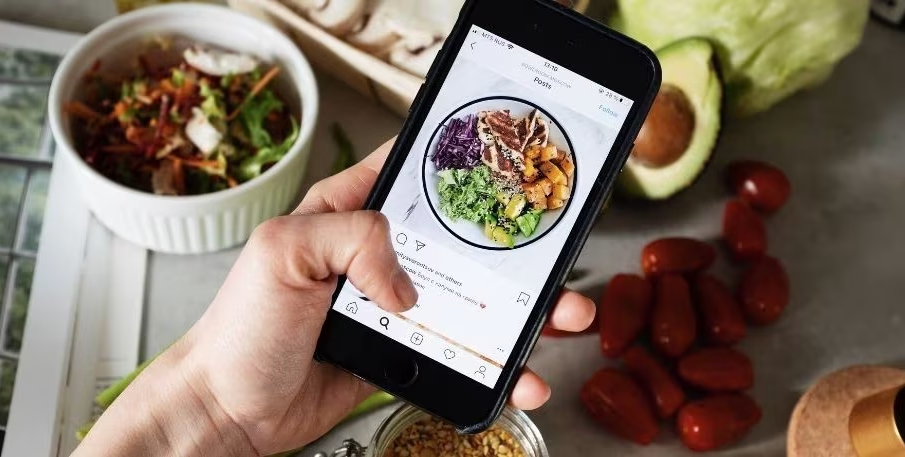
The hospitality industry is one of the most visually driven sectors in business. Food, interiors, atmosphere and experience all lend themselves naturally to social media, making platforms like Instagram and TikTok particularly powerful tools for restaurants, hotels and cafes. Yet despite this advantage, many hospitality businesses struggle to maintain a consistent and compelling social presence.
Visual Content As Your Menu
For restaurants in particular, photography and short-form video are the foundations of an effective social strategy. A beautifully lit dish, a bartender crafting a cocktail, or a dining room set for a busy evening service all communicate the experience before a potential customer has set foot through the door. These images do the work of a traditional menu and a recommendation from a friend, combined.
The bar for quality has risen considerably in recent years. Guests increasingly expect the food and environment they see online to match reality, which means investing in decent photography – or training your team to take appealing shots on a smartphone – is worthwhile. Authenticity matters too; staged, overly polished content can feel sterile compared to a genuine behind-the-scenes moment.
Encouraging Guests To Share
One of the most valuable assets a hospitality business has is its guests. Satisfied customers who share their experience on social media provide authentic word-of-mouth promotion that money cannot easily replicate. Creating shareable moments – a striking dish presentation, an instagrammable corner of the room, a personalised birthday message – encourages this naturally.
A gentle prompt at the right moment, such as a small card on the table or a note on the receipt, can remind guests to tag the venue. Responding to those posts, resharing them with thanks, and acknowledging the effort builds a community around your brand. OpenTable notes that venues which engage actively with guest content consistently see higher return visit rates.
Seasonal And Event-Led Content
Hospitality businesses have a natural rhythm of events, seasons and menus that provides a steady source of content ideas. Valentine’s Day set menus, a new summer cocktail list, a Christmas party package, a chef’s special for the week – all of these are worth communicating to your audience well in advance. Social media works best when it gives people something to anticipate and act on.
A simple content calendar that maps out key dates, menu changes and events a few weeks ahead prevents the last-minute scramble to create posts and ensures nothing important goes unannounced.
Handling Reviews And Feedback Publicly
Social media is also where guests voice disappointment as well as delight. A thoughtful, timely response to a critical comment demonstrates professionalism and a genuine commitment to the guest experience. Ignoring negative feedback, or responding defensively, can do disproportionate damage to your reputation.
The best responses acknowledge the issue, express genuine regret and invite the guest to continue the conversation privately. This approach reassures potential customers reading the exchange that the business takes feedback seriously.
Consistency Over Brilliance
It is better to post well three times a week than to post brilliantly once and then disappear for a fortnight. Reliable social media management from a company like 99social means your hospitality brand stays visible to both loyal regulars and people who are discovering it for the first time.
Social media will not replace the experience of a great meal or a welcoming room – but it will bring more people through the door to discover that experience for themselves.