
How Technology Is Making Real Estate Transactions Easier

Key Takeaways
- Digital tools like e-signatures and online listings have expedited the buying and selling process.
- Virtual reality (VR) and augmented reality (AR) offer immersive property viewing experiences.
- Artificial intelligence (AI) and big data provide valuable market insights and predictive analytics.
- Blockchain technology enhances transaction security and transparency.
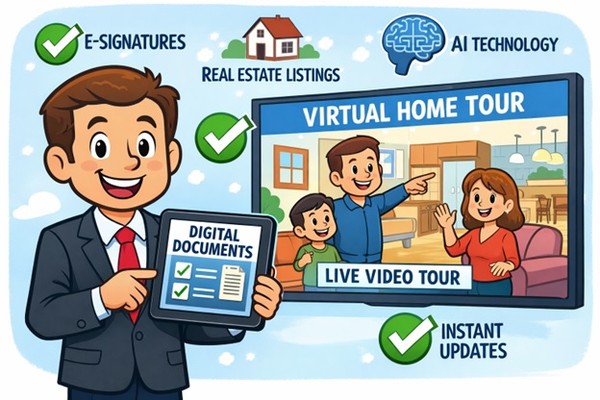
In recent years, technological advancements have significantly streamlined the real estate transaction process, making it more efficient and accessible for buyers, sellers, and agents alike. From digital document management to virtual property tours, these innovations are transforming the industry. For instance, Lake Conroe Area real estate agents Witherspoon Realty Team, a group of experienced professionals serving the Greater Houston Area, leverage these technologies to provide personalized service and proven results. Their deep understanding of the local market ensures that clients experience a smarter way to buy or sell real estate.
Digital Document Management and E-Signatures
The use of digital document management and e-signature technology has transformed real estate paperwork by enabling online creation, signing, and management of documents such as contracts and leases, reducing in-person meetings and speeding up transactions. Legally recognized e-signatures eliminate the need for physical presence, further streamlining the process. These tools offer secure, remote access and instant verification, helping buyers, sellers, and professionals close deals efficiently.
Additionally, digital systems improve record storage and retrieval. Unlike paper documents, which were time-consuming and error-prone, encrypted cloud storage and advanced search features make documents readily accessible and reduce misplacement, especially benefiting busy professionals managing multiple properties.
Security features such as user authentication, activity logs, and backups ensure sensitive data remains safe, building trust and allowing clients to focus on decision-making rather than paperwork logistics.
Virtual Property Tours
Virtual reality (VR) and augmented reality (AR) have enabled immersive property tours, allowing remote exploration of homes. This saves time, broadens the reach to a global audience, and helps buyers experience a property’s layout and features without visiting. Even those unable to attend open houses due to work or distance can still engage with interactive tools such as 360-degree cameras, floor plans, or virtual staging. These tools help sellers showcase homes and allow buyers to revisit properties at their convenience, aiding comparisons and decision-making. For realtors, this results in more qualified leads and higher closing rates, reducing marketing costs. AR apps also let buyers visualize home improvements or staging options in real time, making it easier to personalize searches and invest confidently.
Artificial Intelligence and Big Data
Artificial intelligence (AI) and big data analytics give real estate professionals deeper insights into market trends and customer behavior. AI analyzes large datasets to predict market shifts, identify investment opportunities, and tailor property recommendations. This approach leads to better decision-making and planning. Machine learning models now generate property values, predict price changes, and recommend the best listing times by examining factors such as neighborhood trends, past sales, and seasonality, providing accurate advice that once required significant time and expertise. AI-powered chatbots handle initial client questions 24/7, boosting response times and satisfaction. For investors, predictive analytics identify emerging markets and undervalued properties early, offering valuable opportunities. This tech shift helps the real estate sector move from reactive to proactive operations, keeping agents and clients ahead of market trends.
Blockchain for Secure Transactions
Blockchain technology enhances the security and transparency of real estate transactions by creating tamper-proof, decentralized records that reduce fraud and errors. Smart contracts automate agreements, streamline closing, and ensure compliance, thereby increasing trust. An immutable, time-stamped ledger simplifies title transfers and could eliminate costly third-party verifications, such as escrow services or title insurance. Blockchain also supports fractional ownership, boosting liquidity and investor access. Globally, land registries leveraging blockchain address issues like double-selling and disputes, promising more streamlined, fraud-resistant transactions as adoption spreads.
Online Listings and Digital Platforms
Online real estate platforms have transformed property searches by providing detailed listings, high-quality photos, and comprehensive neighborhood information. These platforms enable buyers to filter properties by specific criteria, easily compare options, and access market data, making the search process more efficient and user-friendly.
Additionally, community insights, local amenities, crime rates, school ratings, and demographic information are often included on these platforms, offering a comprehensive perspective to prospective buyers or tenants. Integrated calculators for mortgage estimates, affordability checks, and virtual chat support further empower users to confidently make property decisions from the comfort of home. Digital marketing strategies, such as targeted social media ads, video walkthroughs, and email alerts, also ensure that sellers can reach the right audience with minimal lag time. These dynamic online environments foster greater market transparency, encouraging more competitive pricing and innovation among agents and brokers.
Mobile Applications and Real-Time Communication
Mobile apps enable real-time communication among agents, buyers, and sellers via instant messaging, push notifications, and document sharing, thereby speeding responses and improving transaction flow. They keep users instantly updated on market changes and new listings, ensuring no opportunities are missed. Tasks such as scheduling viewings, receiving suggestions, and tracking negotiations can be managed on smartphones or tablets. Many apps also support secure payments, speeding up transactions for mobile-based real estate activities. Video conferencing integration allows remote consultations and negotiations, offering greater convenience for clients in different locations or with busy schedules.
Conclusion
The integration of technology into real estate transactions has improved efficiency, security, and accessibility. As innovations emerge, the industry is set for further transformation, enhancing experiences for all involved. These advancements have empowered buyers, sellers, and agents to collaborate better, reduce errors, and complete transactions faster. With ongoing innovations such as smart home technology and AI customer service, stakeholders can expect a seamless, secure process from search to closing. Whether you’re a first-time buyer, investor, or agent, using these tools helps you stay competitive in a changing real estate market.