
The Role of Medical Vehicles in Expanding Access to Healthcare
Introduction
In rural areas, remote villages, and disaster-affected regions, hospitals and clinics may be far away. Transportation problems, inadequate infrastructure, and limited medical facilities exacerbate the situation. Medical vehicles play a key role in overcoming these challenges efficiently. They deliver healthcare services straight to the communities and individuals who need them the most.
Reaching Remote and Underserved Areas
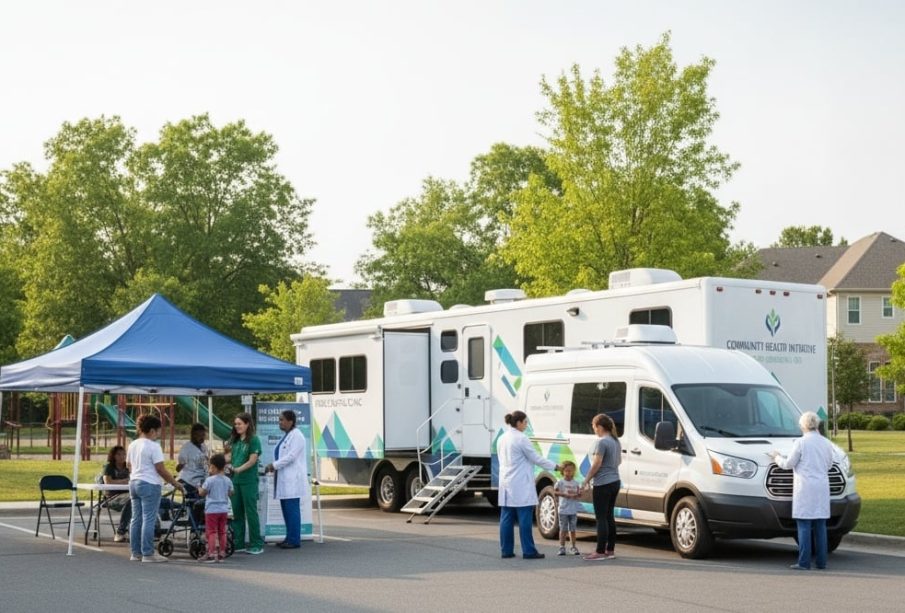
One of the biggest advantages of medical vehicles is their ability to travel to remote and underserved locations. In many rural communities, people may need to travel long distances to see a doctor. This can be difficult for elderly patients, children, and those with serious health conditions. By expanding specialized healthcare with mobile medical vehicles, providers can deliver essential services directly to these communities. They provide basic check-ups, vaccinations, maternal care, and health screenings without requiring patients to leave their communities.
Supporting Emergency Medical Services
Medical vehicles are also essential during emergencies. Ambulances, for example, provide immediate care while transporting patients to hospitals. In cases of accidents, heart attacks, or natural disasters, quick medical response can save lives. These vehicles are equipped with essential medical equipment and trained staff who can provide first aid and stabilise patients on the way to a medical facility. This rapid response improves survival rates and reduces complications.
Promoting Preventive Healthcare
Preventive care is important to maintain overall health. Medical vehicles help promote preventive healthcare by conducting awareness programs and routine health camps. They can offer free screenings for common illnesses, such as diabetes and high blood pressure. Early detection of diseases allows for timely treatment and prevents serious complications. By bringing preventive services closer to communities, medical vehicles help reduce the overall burden on hospitals.
Improving Healthcare During Disasters
During natural disasters or public health crises, hospitals may become overcrowded or damaged. Medical vehicles can serve as temporary treatment centres in such situations. They provide medical support, distribute medicines, and offer basic treatment to affected people. Their mobility allows them to move quickly from one area to another, ensuring that help reaches those in urgent need.
Cost-Effective and Flexible Solution
Medical vehicles provide a practical and affordable solution for expanding healthcare services. Building permanent hospitals in every remote area may not always be possible due to high costs. Mobile units can cover multiple locations on a fixed schedule, making better use of resources. They can also be customised for specific services, such as dental care, eye care, or diagnostic testing.
Conclusion
Medical vehicles play a vital role in expanding access to healthcare. They provide essential medical services to remote areas, support emergency responses, promote preventive care, and offer assistance during disasters. By improving accessibility and reducing barriers to treatment, these vehicles help create a more inclusive and efficient healthcare system. Investing in medical vehicles is a practical step toward ensuring that quality healthcare reaches every community.