
What the Most Common Transformer Equipment Maintenance Failures Look Like
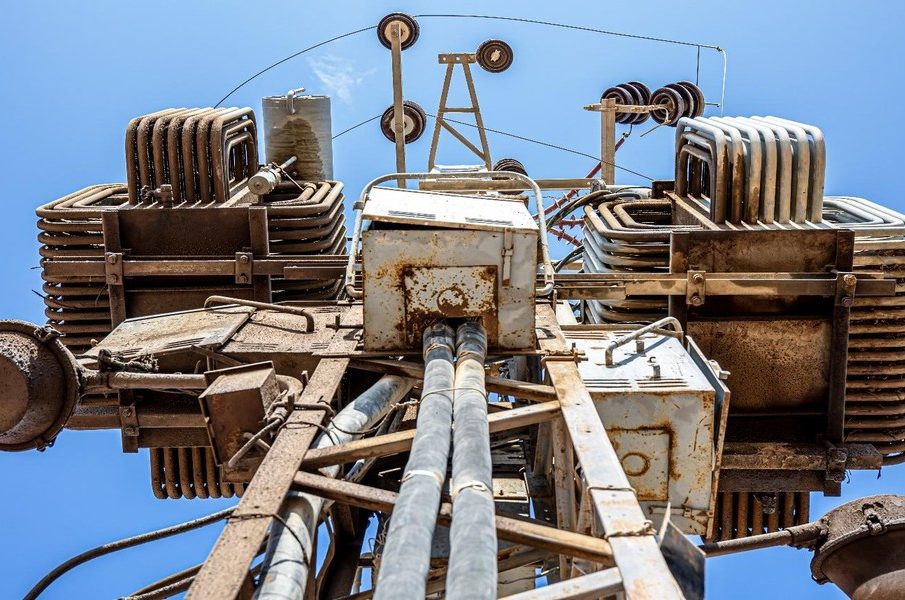
Transformer failures don’t happen without warning. The signals are almost always there, but the problem arises when maintenance approaches don’t catch them.
It’s important to understand the failure modes that frequently occur in transformers. This way, the operators can identify problems early and take measures to prevent them from becoming major ones.
Today, we’ll talk about some common failures and how they can be avoided.
Insulation Degradation
Insulation condition matters a lot for transformer health. It degrades over time due to heat and moisture. The risk of internal faults goes to an all-time high if the insulation breaks down. Most of the time, the degradation happens so invisibly that no one catches it until the issue becomes serious.
In regular transformer equipment maintenance, the operator performs insulation resistance testing to monitor the condition over time. A single test result tells you where things stand today. And a series of results (tracked over time) will tell you how quickly things are changing and what you can do to prevent further damage.
This way, you’ll catch insulation problems when the intervention options are still available.
Oil Contamination and Degradation
Transformer oil has two important functions. It insulates and cools. When the oil becomes contaminated, both of these functions are compromised. Moisture contamination is more dangerous as water in transformer oil reduces its dielectric strength. It also increases the degradation of solid insulation within the transformer.
Oil analysis is used to diagnose problems that external inspection simply can’t. It reveals moisture content, acidity, gas levels, and other important parameters. Operators can act on oil analysis results before the contamination reaches damaging levels to prevent issues of all kinds.
Cooling System Problems
Transformers generate heat during normal operation. The cooling system keeps the temperature within limits. Temperatures rise beyond accepted limits when cooling systems fail. This causes thermal aging, which shortens the insulation’s life.
Cooling system checks must be a routine part of every maintenance visit. Fans, radiators, and oil flow should all be tested and cleaned regularly. Operators can also use thermal imaging to detect hotspots that routine inspections miss. This technology detects radiation above absolute zero and converts it into images that clearly show temperature differences.
Poor Maintenance Records and What They Cost
This one is not a component failure, but it still contributes to all of them. Without proper documentation, you’ll produce an asset with an unknown history. The value of regular testing comes from the changes the documentation indicates in the transformer’s condition.
Without well-documented records, that comparison isn’t possible. The developing problems that data would reveal go undetected until they show up as failures.
Bottom Line
Transformer failures are expensive and disruptive. But they’re also preventable in most cases.
The failure modes we’ve covered here share a common thread. They develop gradually, leave evidence, and then positively respond to maintenance attention (if applied early enough). Building that maintenance habit into your operations management is a solid way to avoid far higher costs.