
Why Do Some Kuala Lumpur Homes’ Interiors Feel Expensive While Others Feel Flat?
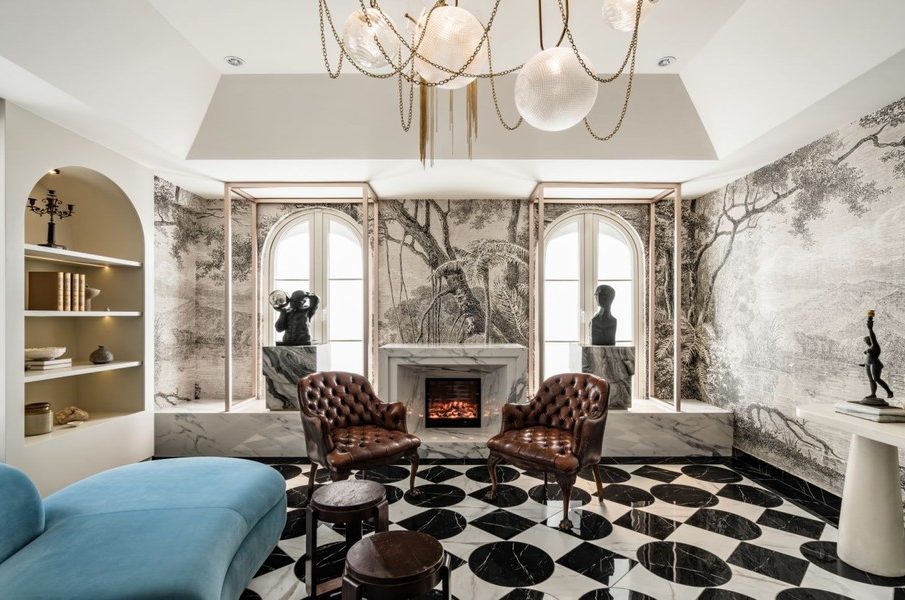
You’ve probably experienced this before. You walk into a home that isn’t necessarily filled with luxury furniture or high-end materials, but it somehow feels expensive. Everything looks cohesive, calm, and well put together.
Then you visit another home that may have cost just as much, or even more, but it feels… flat. Nothing stands out, and the space doesn’t quite come together.
In Kuala Lumpur, where modern condos and landed homes are designed with similar layouts, this difference is surprisingly common.
The interesting part is this: it’s rarely about how much money was spent. It’s about how the space was designed.
Here’s what actually creates that “expensive” feel and what causes a home to fall flat instead.
1. Cohesion makes everything feel intentional.
One of the biggest differences between an “expensive-feeling” home and a flat one is cohesion.
- Colours work together naturally
- Materials feel consistent
- Furniture looks like it belongs in the same space
Nothing feels random.
In contrast, homes that feel flat often have individually nice pieces that don’t connect. A modern sofa, a rustic table, and a completely different lighting style can clash subtly, even if each item looks good on its own.
In many homes across Kuala Lumpur, this lack of cohesion is what makes the space feel unfinished rather than elevated.
2. Lighting creates depth (or removes it).
Lighting is one of the most powerful tools in interior design, yet it’s often overlooked.
Expensive-feeling homes usually have layered lighting:
- Ambient lighting for overall brightness
- Task lighting for functionality
- Accent lighting to create depth and focus
This layering creates shadows, highlights, and visual contrast.
Flat spaces, on the other hand, often rely on a single overhead light. The result is even lighting across the room, which sounds good, but actually removes depth and makes everything feel one-dimensional.
In homes in Kuala Lumpur, upgrading lighting is often one of the fastest ways to transform how a space feels.
3. Proportion and scale are quietly doing the work.
You might not consciously notice it, but your brain is always assessing proportion.
In a well-designed space:
- Furniture fits the size of the room
- There’s enough breathing space between pieces
- Nothing feels oversized or too small
When proportions are right, the space feels balanced and comfortable.
When they’re off:
- A large sofa overwhelms the room
- Small furniture makes the space feel empty
- Poor spacing creates awkward gaps
This imbalance is one of the main reasons a home can feel “off,” even if everything in it is technically nice.
4. Materials matter-but how they’re used matters more.
Expensive-feeling interiors often use a mix of materials:
- Wood for warmth
- Metal for contrast
- Fabric for softness
- Stone or glass for texture
But the key isn’t using expensive materials. It’s using them in a balanced way.
Flat interiors often:
- Overuse one material (e.g. too much laminate or one finish)
- Lack contrast
- Feel visually repetitive
In many homes across Kuala Lumpur, introducing just a bit more material variation can make the entire space feel more layered and refined.
5. Negative space is just as important as furniture.
One common mistake is trying to fill every corner of a home.
But expensive-feeling spaces often do the opposite-they leave room to breathe.
Negative space:
- Makes the room feel larger
- Highlights key pieces
- Reduces visual stress
Flat spaces tend to feel crowded, even if they’re not physically small, simply because there’s too much happening visually.
Knowing what not to add is just as important as what you include.
6. Details create subtle polish.
Small details often make the biggest difference.
In refined interiors, you’ll notice:
- Clean alignment of furniture
- Consistent finishes (handles, fixtures, trims)
- Well-chosen accessories that don’t feel random
Flat interiors often lack this level of attention. Things feel slightly misaligned or inconsistent, which creates a subtle sense of disorder.
In homes across Kuala Lumpur, this is what separates a “nice” home from one that feels thoughtfully designed.
7. A clear focal point anchors the space.
Every well-designed room in Kuala Lumpur has something that draws your attention.
It could be:
- A feature wall
- A statement sofa
- A large window
- A central lighting fixture
This focal point gives the room structure.
Without it, the space can feel scattered. Your eyes move around without settling anywhere, which creates that “flat” feeling.
8. Texture adds richness without clutter.
Texture is what makes a space feel layered and interesting.
Expensive-feeling homes often combine:
- Soft fabrics
- Smooth surfaces
- Subtle patterns
- Natural materials
Flat homes usually lack this variation. Even if the colours are nice, everything feels too uniform.
Adding texture is one of the easiest ways to create depth without adding more furniture or clutter.
9. The space feels lived-in, not staged.
Interestingly, the best interiors don’t feel like showrooms.
They feel:
- Comfortable
- Personal
- Slightly lived-in
Flat spaces sometimes feel overly staged or generic, which makes them less engaging.
In Kuala Lumpur, more homeowners are moving towards designs that balance polish with personality-spaces that look good but still feel real.
Final Thoughts
An “expensive” interior isn’t about price tags.
It’s about how everything works together:
When these elements come together, a home naturally feels more refined.
And when they’re missing, even a high-budget space can feel flat.
In the end, the difference isn’t how much you spend-it’s how well the design decisions are made.