
Choosing Silicone Sealants for Durable Brick and Concrete Surface Joints
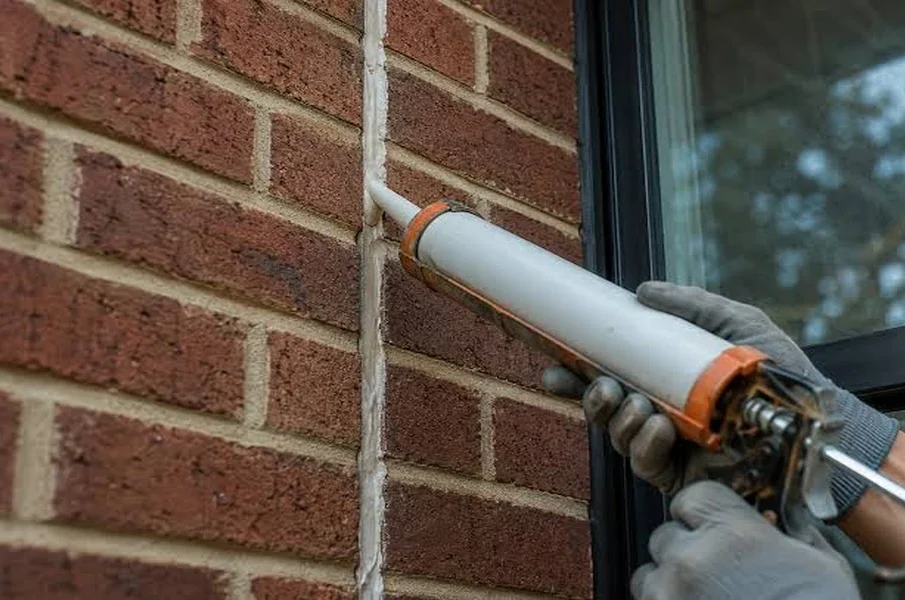
Brick walls and concrete structures need reliable joints to handle everyday movement. Temperature changes can make these surfaces expand or contract. Rainwater may also enter through small gaps. A suitable filler helps protect these connections while allowing natural movement. The right product depends on the location and condition of each joint. Careful preparation matters just as much. These adjoining masonry surfaces benefit from silicone sealants, which helps maintain flexible connections and supports lasting protection against moisture.
Selecting The Right Product
A product that works well on a window frame may not suit a brick wall. Different surfaces have different needs. Some joints face direct sunlight throughout the day while others remain sheltered beneath a roof.
For outdoor work, choose a product designed for masonry exposure. Check whether it can handle rain and changing temperatures. A flexible formula is useful where adjoining surfaces move slightly over time.
- Confirm the product suits brick and concrete surfaces.
- Check its ability to handle regular joint movement.
- Choose a formula designed for outdoor exposure.
- Review the recommended application temperature before starting work.
- Check the curing time listed on the product label.
These checks help narrow down the available options. They also make it easier to match the product with the actual condition of the joint.
Preparing The Surface Properly
Good preparation often makes the difference between a neat repair and one that needs attention soon. Dust can collect inside narrow gaps. Old filler may also remain attached to the edges.
Start by removing loose debris with a brush. Scrape away old filler where necessary. If the brick edges are damaged, repair them before applying anything new. A firm surface gives the fresh product something suitable to bond with.
Some products require a primer on certain surfaces. Others need the area to be completely dry. Read the instructions before beginning. Taking a little extra time here can save considerable effort later.
Applying The Filler Correctly
Application requires a steady hand rather than excessive speed. Move along the gap at a consistent pace. Keep the nozzle close enough for the product to reach both sides.
A useful example is the joint around a concrete opening. If the filler only covers the top, water may still enter through an empty space beneath it. Filling the gap properly helps create a continuous connection.
Working With Changing Weather
Weather conditions influence the application of sealants. Suitable temperatures allow the product to spread smoothly and cure as intended. With silicone sealants, applying it under favourable conditions helps achieve an even finish and a strong, lasting bond.
Check the recommended temperature range before starting outdoor work. Choose a period when the surface can remain dry for the required time. If rain is expected soon, wait until conditions improve.
Keeping Joints In Good Shape
Even a well applied joint needs occasional attention. Dirt can collect along the edges while weather exposure may gradually affect the surface. A quick inspection helps identify changes before they become more noticeable.
Check the joints around windows and wall openings. Look for small gaps or sections that have pulled away from the surrounding masonry.
Strong masonry connections depend on suitable products and careful workmanship. Clean edges support proper bonding while correct application creates an even finish. Regular checks also help maintain the condition of the joints. With attention to preparation and curing, property owners can keep brick and concrete connections working well through changing weather conditions.
FAQ
Which product works best for brick joints?
Choose a product rated for brickwork and exterior exposure.
Should concrete joints be dry before application?
Yes, follow the product instructions for surface moisture requirements.
When can rain reach a newly filled joint?
Allow the product to cure fully before water exposure.