
Selective Plating vs Tank Plating: What’s the Difference?
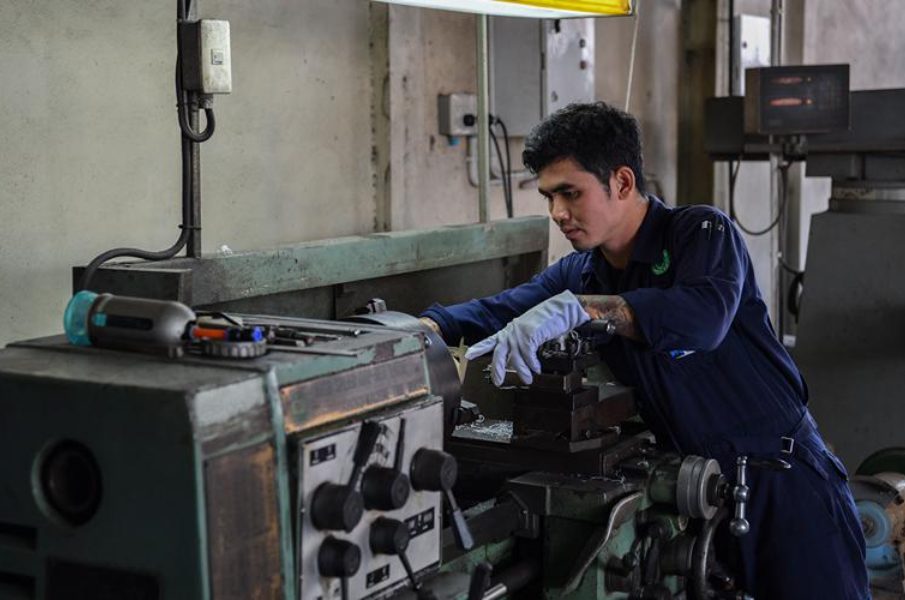
When it comes to protecting and enhancing metal parts, plating is a common term you’ll hear thrown around in workshops and factories across Singapore. But here’s the thing: not all plating processes are the same. Some are precise and localised, while others coat an entire component. The two big players here are selective plating and tank plating, and understanding how they differ can help you choose the right one for your project.
The Basics: What Each Method Really Means
Let’s start simple. Tank plating, also called electroplating in Singapore, is the traditional method most people picture. It involves submerging the entire part in a chemical bath where metal ions deposit evenly across the surface. It’s a full dip, efficient for mass production and ideal for items like screws, fittings, and tools that need uniform protection.
Selective plating, on the other hand, is a more refined approach. Instead of dunking the whole part, only targeted areas receive the metal coating. It’s like painting with precision, applying protection exactly where it’s needed. Technicians use special tools with brush-like applicators or masking techniques to deliver the metal coating directly to chosen sections.
This difference might sound minor, but in industries like aerospace, electronics, or oil and gas, it’s a big deal. When you need accuracy down to the millimetre, selective plating ensures only critical zones are coated without wasting materials.
When Precision Matters More Than Coverage
Imagine having a complex part with both conductive and non-conductive areas. Tank plating would cover everything, which could create electrical or performance issues later on. Selective plating avoids that problem entirely.
This process shines in repair work, too. Instead of stripping and re-plating an entire component, engineers can restore worn spots directly, saving both time and money. In sectors like aviation or semiconductor manufacturing, where downtime costs can skyrocket, that precision matters.
Even in electroplating in Singapore, where local industries often deal with high-spec electronics and automotive components, selective plating’s ability to reduce waste and energy usage makes it a practical and sustainable choice.
Cost, Time, and Quality: The Balancing Act
So which is better? Honestly, it depends. Tank plating tends to be faster for large quantities and provides consistent coverage, making it cost-effective for mass production. But it requires more setup, more chemicals, and sometimes more post-treatment work to polish or mask unwanted areas.
Selective plating, meanwhile, may take more skill and time per part, but the precision pays off. You don’t waste materials on unnecessary coverage, and there’s minimal need for masking or reworking. Think of it as a custom-fit solution, a bit more craftsmanship, but a cleaner result.
In fact, some electroplating providers in Singapore now offer hybrid solutions, combining both methods depending on the part’s design. That flexibility reflects how modern manufacturing has evolved: efficiency without compromising quality.
Environmental Impact and Sustainability
Here’s a factor that’s becoming increasingly relevant in Singapore’s industrial scene: sustainability. Tank plating involves larger chemical baths, which means more waste treatment and potential for environmental risk. Selective plating, using smaller quantities of chemicals, significantly reduces hazardous waste and water consumption.
As environmental standards tighten globally, businesses are turning to selective plating as a greener alternative. It’s not just about compliance; it’s also about brand responsibility. Local manufacturers adopting cleaner practices stand out in a world where clients increasingly prioritise eco-conscious suppliers.
Which Should You Choose?
If your parts are simple and mass-produced, tank plating might still make sense. But if precision, repairability, or sustainability rank higher on your list, selective plating could be your best bet. The choice ultimately depends on the material, geometry, and performance requirements.
Still unsure? Consult an expert who understands both methods. In Singapore’s growing manufacturing and tech landscape, many specialists can advise on which process suits your project and even offer trial runs before large-scale production.
Conclusion
Whether it’s for new production or repair, understanding the differences between selective plating and tank plating can make or break your project’s quality, cost, and efficiency. Both have their merits, but precision and sustainability are shifting the spotlight toward selective plating.
To learn more about electroplating in Singapore or discuss your specific needs, contact Singapore Epson Industrial today. We’ll help you find the right coating solution for your business.